Breast Thermography

Gentle, radiation‑free imaging that brings clarity to your health for proactive care or to help you get on the mend.

About Breast Thermography
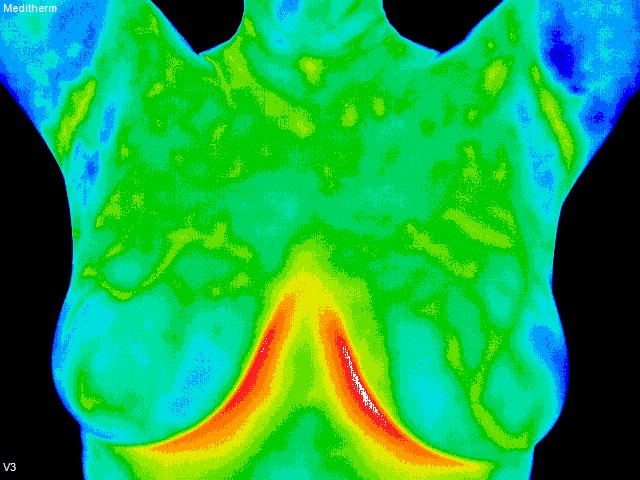
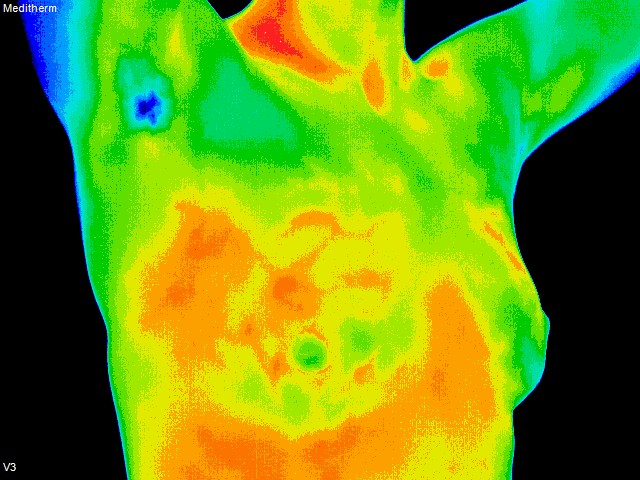
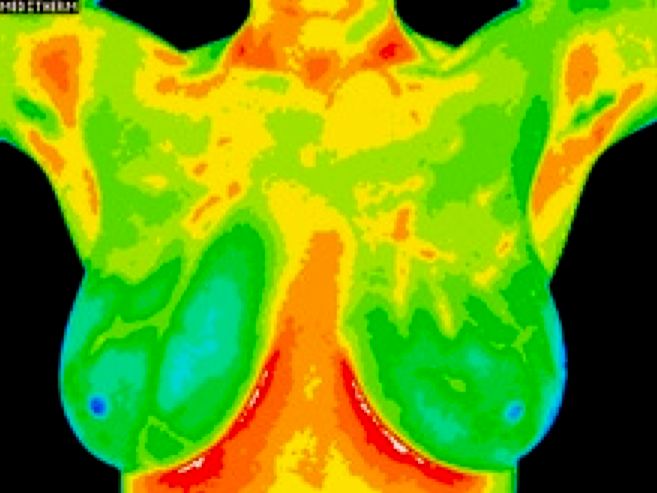
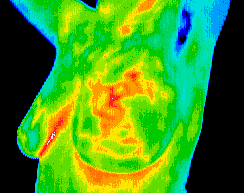
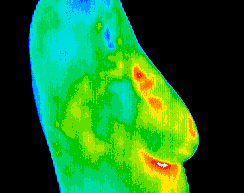
Breast thermography is a non‑invasive, radiation‑free imaging technology that measures the heat patterns and blood‑flow activity in breast tissue. Instead of looking for structural changes like a lump, thermography detects physiological changes—inflammation, vascular activity, and early functional shifts that often appear long before anatomy changes.
There is no touching, no compression, and no discomfort. All breast scans at Mend are performed by a female certified clinical thermographer in a calm, private environment.
Thermography creates a detailed map of your unique breast thermal fingerprint. This pattern is stable when your breast tissue is healthy and only changes when something in the physiology begins to shift. That’s why thermography is a powerful tool for early insight, proactive monitoring, and long‑term breast health awareness.
About Breast Thermography
Breast thermography is a non‑invasive, radiation‑free imaging technology that measures the heat patterns and blood‑flow activity in breast tissue. Instead of looking for structural changes like a lump, thermography detects physiological changes—inflammation, vascular activity, and early functional shifts that often appear long before anatomy changes.
There is no touching, no compression, and no discomfort. All breast scans at Mend are performed by a female certified clinical thermographer in a calm, private environment.
Thermography creates a detailed map of your unique breast thermal fingerprint. This pattern is stable when your breast tissue is healthy and only changes when something in the physiology begins to shift. That’s why thermography is a powerful tool for early insight, proactive monitoring, and long‑term breast health awareness.
What to Expect Your First Year
In your first year, you will have two scans performed 90-days apart.
Your first thermogram creates your baseline—your unique thermal fingerprint. This pattern stays stable unless a physiological change is developing.
A second scan 90 days later is essential. Without it, there’s no way to know whether your thermal pattern is stable or changing. The 90‑day window matters because active cancer cells typically double about every 90 days, making this the earliest opportunity to detect meaningful change.
If your 90-day follow-up is considered stable, typically annual screenings are recommended. If concerns are found, the interpreting physician will provide a recommended time frame for your next scan.

Breast thermography screens for indications of:
Tumors
Abnormal tissue growths that thermography can flag through their distinct heat signatures.
Angiogenesis
The formation of new blood vessels that can feed abnormal tissue growth and signal early disease activity.
Inflammatory Disease
An aggressive and often misdiagnosed condition characterized by rapid onset redness, swelling, and warmth.
Fibrocystic & Cystic Breasts
Common conditions marked by lumpy, irregular tissue that can cause pain and tenderness.
Lymphatic Congestion
A slowdown in lymphatic flow that can compromise the body’s ability to clear waste from breast tissue.
General Inflammation
Widespread inflammatory activity in breast tissue that may signal an underlying health concern.
Note: you must wait 3 months after pregnancy, nursing, major breast surgery, chemotherapy, or radiation treatment before having a breast scan, and at least 1 month after a biopsy or minor surgery, such as mole removal, for results to be accurate.
Breast Thermography Pricing
Thermography is not covered by any insurance companies. We accept cash, check, all major credit cards, FSA/HSA cards.
Initial Breast Thermogram
Includes breast intake and imaging, same-day in-office image review, physician interpreted report, & preventative breast health e-book.
$17590-day & Yearly Follow-up
Includes breast imaging, same-day in-office image review, physician interpreted report. Images will be compared to prior screenings.
$160Upgrade to half or full body
A full breast series is included in half body and full body scans. Learn more about these scan options and pricing:
Preparing for your Breast Scan



What to Expect During Your Scan
Breast Thermography:
A Review of the Research
- In 1982, the FDA approved breast thermography as an adjunctive breast cancer screening procedure.
- Breast thermography has undergone extensive research since the 1950s, with over 800 peer-reviewed studies in the index-medicus literature. These studies have evaluated more than 300,000 women (large studies comprising over 85k women), and followed for up to 12 years.
- Breast thermography has an average sensitivity and specificity of 90%.
- An abnormal thermogram is 10 times more significant as a future risk indicator for breast cancer than a first order family history of the disease.
- A persistent abnormal thermogram carries with it a 22x higher risk of future breast cancer.
- An abnormal infrared image is the single most important marker of high risk for developing breast cancer.
- Breast thermography has the ability to detect the first signs that a cancer may be forming up to 10 years before any other procedure can detect it.
Please note: It is important to remember that no test is 100% accurate. For this reason, we suggest a multifaceted approach to monitoring your breast health. As a reminder, thermography and mammography are detection methods and are NOT diagnostic tests for breast cancer. Only a biopsy can diagnose breast cancer.

Ready to Schedule?
Have questions about Breast Thermography?